
An Astronomical and Engineering Marvel
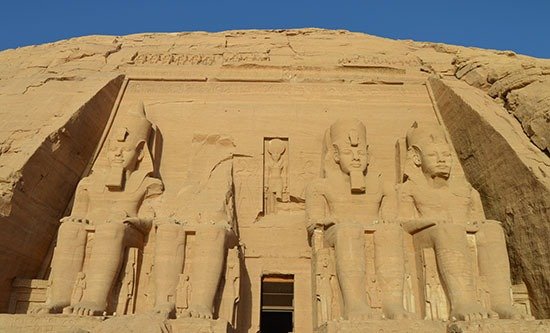
Everything you need to know about visiting one of Egypt’s most remote and awe-inspiring landmarks—including tour options, timing, and what makes the site worth the journey.
Getting to Abu Simbel isn’t easy, but that is part of what makes it special. Located near the southern border with Sudan, these massive rock-cut temples receive far fewer visitors than the Pyramids or Luxor; yet, many travelers describe them as the most impressive sites in the entire country.
This guide covers the logistics of getting there, what to expect, and how to decide if it belongs on your itinerary.
Abu Simbel Temples
● Location: Near Lake Nasser, approximately 175 miles south of Aswan, close to the Sudanese border
● Construction: Circa 1264–1244 BC, during the reign of Pharaoh Ramses II
● Main Structures: The Great Temple of Ramses II and the smaller temple of Nefertari (his queen)
● Famous For: Four colossal 66-foot-tall statues of Ramses II seated at the entrance
● Opening Hours: Typically 6:00 AM to 5:00 PM
● Average Visit Duration: 1.5 to 2 hours on-site (excluding travel time)
A Brief History Worth Knowing Before You Go
Ramses II built Abu Simbel not merely as a structure, but as a deliberate display of power. Situated near Egypt’s southern border and facing Nubia, the site was designed to project strength to neighboring kingdoms. The four colossal statues of the Pharaoh at the entrance—each standing approximately 66 feet tall—remain among the most iconic images of ancient Egyptian monumental architecture.
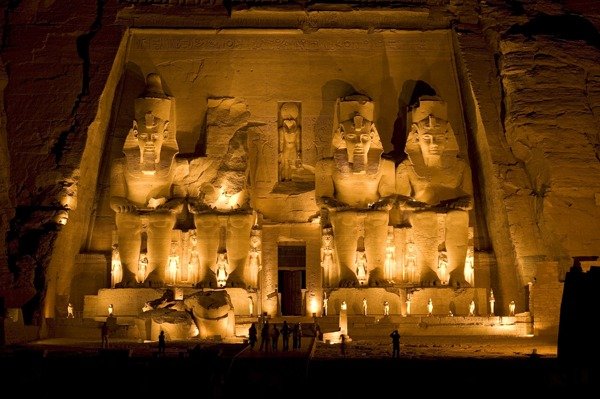
These massive statues of the king flank the main hall leading to the inner sanctuary, where four deities are seated: Amun-Re, Re-Horakhty, Ptah, and Ramesses II (deified). The temple was constructed with such astronomical precision that, on two days of the year—February 22 and October 22—sunlight penetrates the structure, traverses the main hall, and illuminates the statues deep within, with the exception of the deity Ptah.
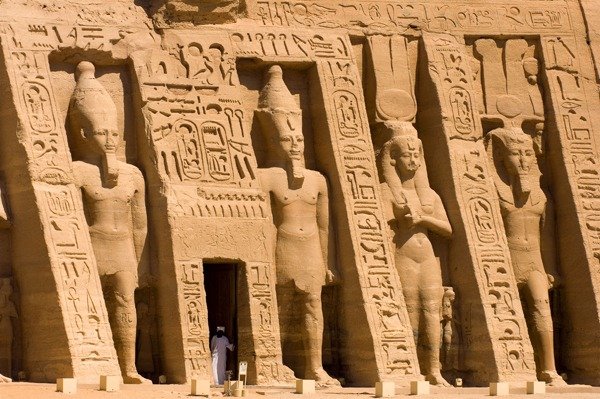
To the north lies another rock-cut temple known as the Small Temple, dedicated to the goddess Hathor and to Ramesses II’s Great Royal Wife, Queen Nefertari. On the Small Temple’s façade, colossal statues of the Queen stand equal in size to those of her husband—a very rare occurrence.
Both temples were relocated from their original site in 1968 following the construction of the Aswan High Dam, which threatened to submerge them. The relocation was completed thanks to an international effort led by UNESCO, and the site was inscribed on the World Heritage List in 1979.
The site’s modern history holds further remarkable chapters: in the 1960s, the construction of the Aswan High Dam threatened to permanently submerge the temples beneath the rising waters of Lake Nasser. In an unprecedented international engineering feat, UNESCO coordinated the relocation of the entire complex; the temples were dismantled into over 1,000 blocks and reassembled on higher ground, 65 feet above their original location. This remains one of the most significant heritage preservation projects in history.
Getting there from Aswan
This is the part that requires real planning, as Abu Simbel is much more remote than Egypt’s other major sites:
● Domestic flight from Aswan: The fastest option, taking about 30–45 minutes each way. Many visitors make this a round-trip day trip, landing at the small Abu Simbel airport built specifically to serve the site.
● Overland convoy or private driver: A journey of approximately 3–3.5 hours each way across desert terrain. Historically, these trips were organized into guarded convoys for security reasons. Check current guidelines, as rules regarding independent travel have been relaxed over time.
● Overnight stay in Abu Simbel: For travelers who prefer a more leisurely pace, small hotels near the site allow for early morning or evening visits, avoiding the time pressure of a same-day round trip.
● Organized tour packages: Widely available from Aswan, these usually combine transportation and a guide into a single booking and are often the best choice for first-time visitors.
Best Time to Visit
Time of year: October to February. Desert temperatures are more bearable during this period, although Abu Simbel’s far-southern location means it remains consistently hotter than sites further north.
Best Time to Visit: Arriving early in the morning is highly recommended—not only to avoid the heat but also to beat the mid-morning influx of travelers arriving from Aswan via flights and convoys; arriving right at opening time allows you to avoid the worst of the crowds.
Special Dates: If your travel schedule permits, visiting during the Abu Simbel Sun Festival (usually around February 22 and October 22) offers the chance to witness the famous solar alignment inside the temple—an enduring astronomical marvel that draws a global audience—though these dates also attract significantly larger crowds.
How to Get Tickets
General admission tickets can be purchased at the entrance or booked online in advance via the official website of the Egyptian Ministry of Tourism and Antiquities (please verify current prices before your trip).
Official website of the Egyptian Ministry of Tourism:
https://egymonuments.com/details/AbuSimbelTemple
Standard Tickets
Adult: EGP 822
Student: EGP 445.5
Sun Alignment Tickets (February 22 & October 22)
Adult: EGP 1272
Student: EGP 670.5
What to Expect Upon Arrival
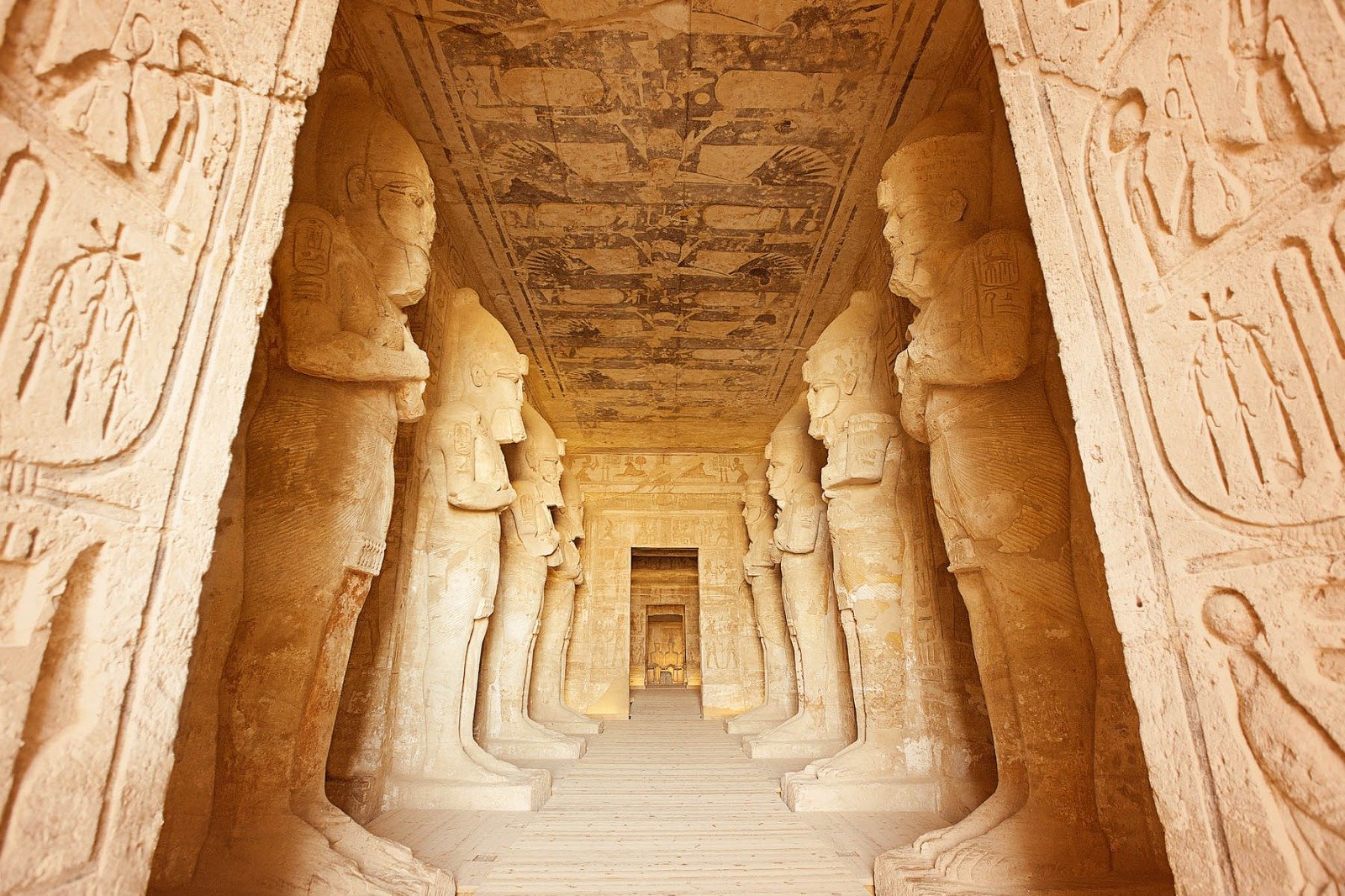
It is difficult to truly appreciate the scale of the Great Temple’s façade from photographs alone; standing at the base of the four colossal statues gives you a genuine sense of the monument’s original purpose: to inspire awe and a sense of overwhelming power. Inside, the structure’s halls are lined with bas-reliefs depicting the military campaigns of Ramses II, most notably the Battle of Kadesh.
The smaller Temple of Nefertari, dedicated to Ramses II’s principal wife, is located nearby and is remarkable in its own right; it is one of the few ancient Egyptian temples where the queen is depicted at the same scale as the pharaoh, rather than smaller.
Since most visitors arrive via flights or convoys around the same time, the site tends to feel crowded for a few hours in the mid-morning, becoming noticeably quieter later in the day.
Is the trip worth it?
Given the distance and planning involved, this is a fair question. Most travelers who make the journey describe it as a highlight of their entire trip to Egypt; the journey itself is part of the experience, and the sheer scale of the statues rewards the effort in a way photos cannot convey. If your itinerary includes Aswan and you have an extra day, this is widely considered a top priority.
Practical tips for American and European travelers
● Book flights or tours in advance during peak season (December to February), as seats on small flights to Abu Simbel can sell out.
● Bring more water than usual; the southern desert location means average temperatures are higher than in the rest of the Nile Valley.
● A guide adds significant value here, given the site’s multi-layered history (ancient construction, the UNESCO relocation project, and the temple’s astronomical alignment).
● Pack for a long day if traveling by car or round-trip tour from Aswan; bring snacks, sun protection, and comfortable clothing.
● Check current road convoy status with your hotel or tour operator, as security arrangements for the drive have evolved over the years.
FAQs
About 175 miles by road (approximately 3–3.5 hours) or a 30–45 minute domestic flight.
Yes, that is the most common approach—usually involving a morning trip there and an afternoon return, or a full-day guided tour by road.
It is a semi-annual event—usually taking place on February 22 and October 22—where sunlight streams through the temple entrance to illuminate the statues in the inner sanctuary; these dates mark the coronation and birthday of Ramses II.
It requires a dedicated day due to the travel distance, making it best suited for trips lasting 10+ days or itineraries that prioritize less-visited, awe-inspiring sites.
I highly recommend it. The site’s significance spans ancient history, art, and one of the 20th century’s greatest heritage relocation projects—details easily missed without an expert guide to enrich the experience.