
Everything you need to know before visiting Egypt’s most prominent landmark — tickets, the best time to go, how to get there, and tips from someone who has visited.
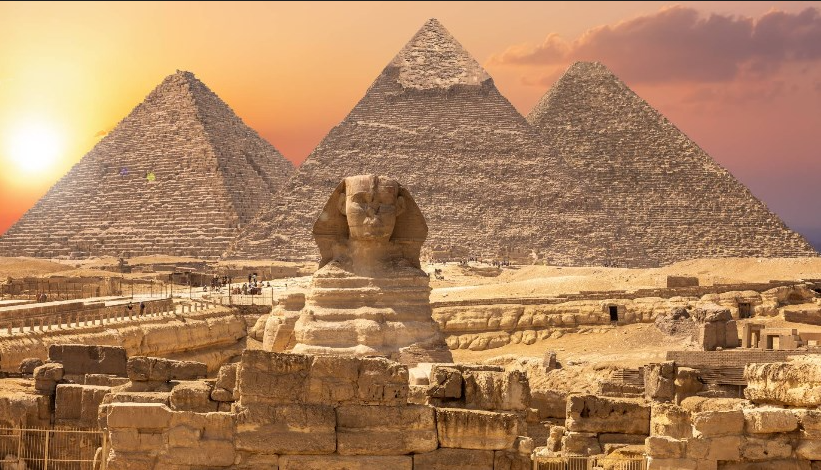
If you’ve ever dreamed of standing in front of the last surviving miracle of the ancient world, the Great Pyramids of Giza give you just that feeling and more and it’s only 30 minutes from downtown Cairo, this unique location attracts millions of foreign travelers every year, yet many arrive without enough information to visit such as confusing ticket options, ineligible vendors, scorching afternoon heat, and a much bigger location than the photos suggest.
This guide covers everything you need to plan a hassle-free visit and no wasted time.
Quick Facts About the Pyramids of Giza
- Location: Giza Plateau, about 9 miles southwest of downtown Cairo
- Built: c. 2560–2540 BCE, during the Fourth Dynasty in Egypt
- Main structures: the Great Pyramid of Khufu, the Middle Pyramid of Khafre, the Lesser of Menkaure, and the Great Sphinx
- The height of the Great Pyramid: Originally 481 feet; today it is about 455 feet due to erosion
- Opening hours: Usually from 07:00 am to 04:00 pm (Ramadan timings from 08:00 to 03:00)
- Average visit duration: 3 to 4 hours
A Brief History Worth Knowing Before Visiting
The Great Pyramid was built as the tomb of Pharaoh Khufu and remained the tallest man-made structure on earth for nearly 3,800 years, a record that made it the most important and oldest wonder of the world, historians estimate that it took about 20 years to build the stone, using an estimated 2.3 million blocks of limestone, some of which weighed up to 80 tons. Until now, we do not know for sure how it was built of this magnitude without modern tools in that very ancient time
The next pyramid of Khafre, the son of Khufu, appears taller in the photos due to its location on high ground, although it is slightly smaller. The smallest of the three, the pyramid of Menkaure, completes the trio alongside the Great Sphinx, which is believed to have been carved during Khafre’s reign to guard the tomb.
Understanding this basic timeline makes the visit even more exciting, as you are not only looking at large triangular structures, but standing in front of humanity’s earliest large-scale architectural achievement.
The story of the construction according to modern archaeological discoveries
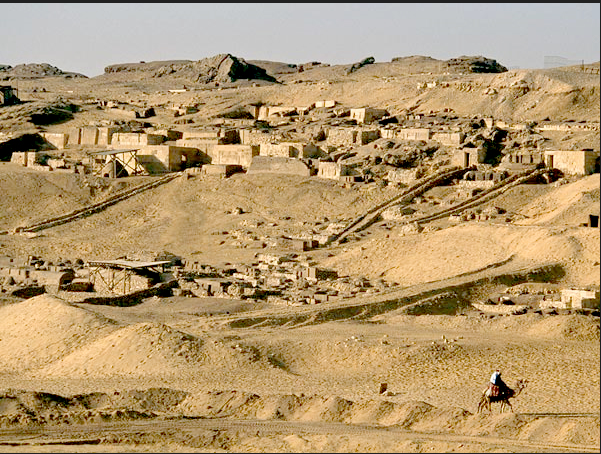
The newly discovered village next to the Giza pyramids has unveiled a lot of information about the lives of the pyramid builders. Both permanent and seasonal workers resided in the village, most of them with their families, and the population reached about 20,000 people, of whom about 5,000 formed the permanent settlement group in the village. Despite the huge number of workers, the state provided them with the utmost care and attention, and the village contained houses, more spacious residential places for workers’ monitors, bakeries, workshops for craftsmen, an administrative building, a huge place to eat, and huge buildings (barracks) that could sleep 2,000 people, and were probably intended for seasonal workers. Such archaeological finds make the picture clearer and increase our understanding of this distant past.
How To Get Tickets
Tickets can be purchased from the portal or online in advance, and prices are usually divided into separate categories:
Foreigners : Adult: 700 EGP / Students: 350 EGP Children under 6 years old are free. In addition to the ticket to the area
- General access to the Giza Plateau: includes access to the site and views of the Three Pyramids and the Sphinx
- Interior Entry to the Great Pyramid: A separate additional ticket is required to enter the Royal Burial Room
- Solar Boat Museum: Separate Ticket to the 4,600-Year-Old Rice Boat Discovered Buried Next to the Great Pyramid
For the latest prices, check the official website of the Egyptian Ministry of Tourism and Antiquities before your trip, as prices change periodically. It is advisable to buy online in advance during the peak season (October to April) to avoid long queues at the ticket counter
Booking link from the official website of the Ministry of Tourism and Antiquities :
https://egymonuments.com/details/Pyramids
Best Time to Visit the Pyramids
Time of year: October to April provides the most comfortable temperatures, usually between 65–80°F. Summer months (June to August) temperatures may exceed 100°F, making midday visits truly uncomfortable.
Time of day: Go straight at opening (8:00 a.m.) for two main features — cooler temperatures and a few crowds before the tour buses arrive. Late afternoon, about two hours before closing, is the second best window, as it provides softer lighting for photography and reduced crowd counts.
How To Get To Cairo
Several options work well depending on your comfort level and budget:
- Uber or Careem: The easiest and most reliable option for most US travelers, flights from downtown Cairo usually take 30 to 45 minutes, depending on traffic.
- Private driver or licensed tour guide: Ideal if you want to include historical context and don’t want to negotiate with on-site suppliers.
- Metro plus taxi: Take the Cairo metro to Faisal Station and take a short taxi ride — cheaper, but more time-consuming and requires more commuting.
- Organized transportation by hotels: Most hotels in Cairo and Giza offer transfer arrangements or private cars, often at fixed and transparent prices.
What to expect when you get there
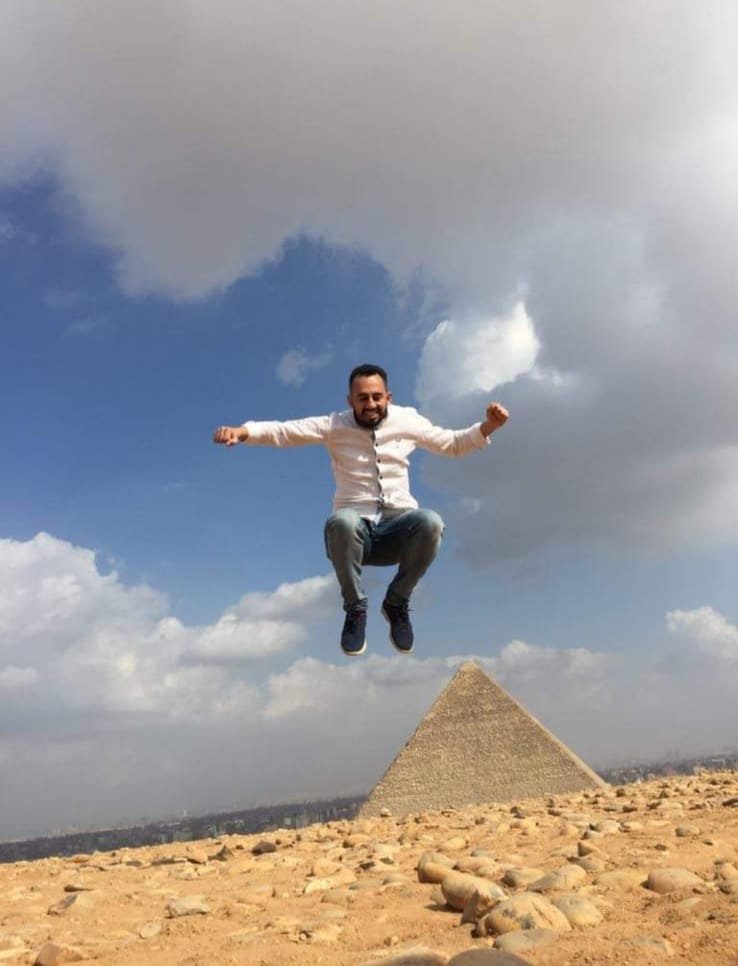
The Giza Plateau is larger and more widespread than most first-time visitors expect. Plan to walk through sand and uneven terrain, so comfortable shoes with closed toes are essential, and sandals are not recommended.
Camel and horse tours are widely available throughout the site. If you are interested, agree on the full price verbally with clear terms before the animal ride, as disputes over prices afterwards are a common and well-documented issue for tourists.
Vendors and informal guides approach visitors frequently, sometimes describing themselves as “responsible” or offering unsolicited photography assistance. It’s better to keep walking than to stop to participate.
Entering the Great Pyramid is a unique experience compared to seeing it from the outside — narrow, low-ceilinged corridors lead to the royal burial chamber. It’s physically exhausting for those with mobility, back problems, or claustrophobia, and isn’t included in the general admission ticket.
Is it safe to visit the pyramids?
The Pyramids of Giza is one of the most heavily monitored sites in Egypt, and is safely visited by millions of tourists every year. However, the usual travel precautions apply: keep an eye on your belongings in the crowds, agree on prices before any paid service, and avoid wandering around unmarked or informal areas of the plateau after dark. Most travelers describe the experience as safe when basic common sense is used.
Practical Tips for Travelers
- Bring cash in small denominations (EGP) for tips and small purchases Many vendors do not accept cards
- Sunscreen, sunglasses, and a hat are non-negotiable, even in the colder months, due to the exposed desert environment
- Bring your own water bottle, while vendors sell water on site, prices are high and quality checks and seals must be done
- Tipping is common among guides, drivers, and site staff, with small amounts (20–50 EGP) usually suitable for small services
- Outdoor photography is usually allowed , although a separate camera fee may be charged for professional equipment, and filming is restricted or discounted in some rooms
A Final Note
There is currently a trend to make a comprehensive trip to visit the pyramids with the Grand Egyptian Museum as they are very close to each other, as the distance between them is only about 1.25 miles with a walkway equipped to facilitate it, which is a good direction but we have a note on it which is that the areas are large, for example the area of the pyramids plateau is about 2 miles and has many shrines other than the pyramids, there is a Sphinx, sunboats, royal tombs, horse and camel tours, which makes the visit average from 3 to 4 hours as we mentioned above and may take longer with photography enthusiasts and enjoying all the attractions and activities, and if we look at the Grand Egyptian Museum, we also find it a giant in space, where the main building is 500,000 square meters and has 100,000 artifacts worth seeing quietly, and it also has many halls and many activities, as we mentioned in the article of the Grand Egyptian Museum, which also makes its visit exceed 3 hours, see the article of the Grand Egyptian Museum
Therefore, I personally do not recommend the combined trip as it is exhausting and will make the visitor’s experience quick and not enough to enjoy and take souvenir photos, and it is impossible with it from my point of view to enjoy all the activities and the full experience
Frequently Asked Questions
How long does it take to visit the Pyramids of Giza?
Most visitors spend 3 to 4 hours on site, including Sphinx time and photo stops. Add extra time if you plan to enter inside the Great Pyramid or visit the Sunboat Museum.
Can you enter the Great Pyramid?
Yes, with the purchase of a separate ticket in addition to general admission. Entry inside can also be limited or closed on certain days for stay reasons, so it’s a good idea to check availability beforehand.
How far is Giza from downtown Cairo?
About 9 miles, usually a 30–45 minute drive depending on traffic conditions.
Do I need a guide to visit the pyramids? No
guide is required, but a licensed guide adds important historical context and can help navigate tickets and interact with vendors seamlessly, especially for first-time visitors.
What should I wear to visit the pyramids?
It is recommended to wear comfortable and closed walking shoes, wide and breathable clothing, and modest coverage due to the desert terrain. It is highly recommended to wear a hat and sunglasses.