
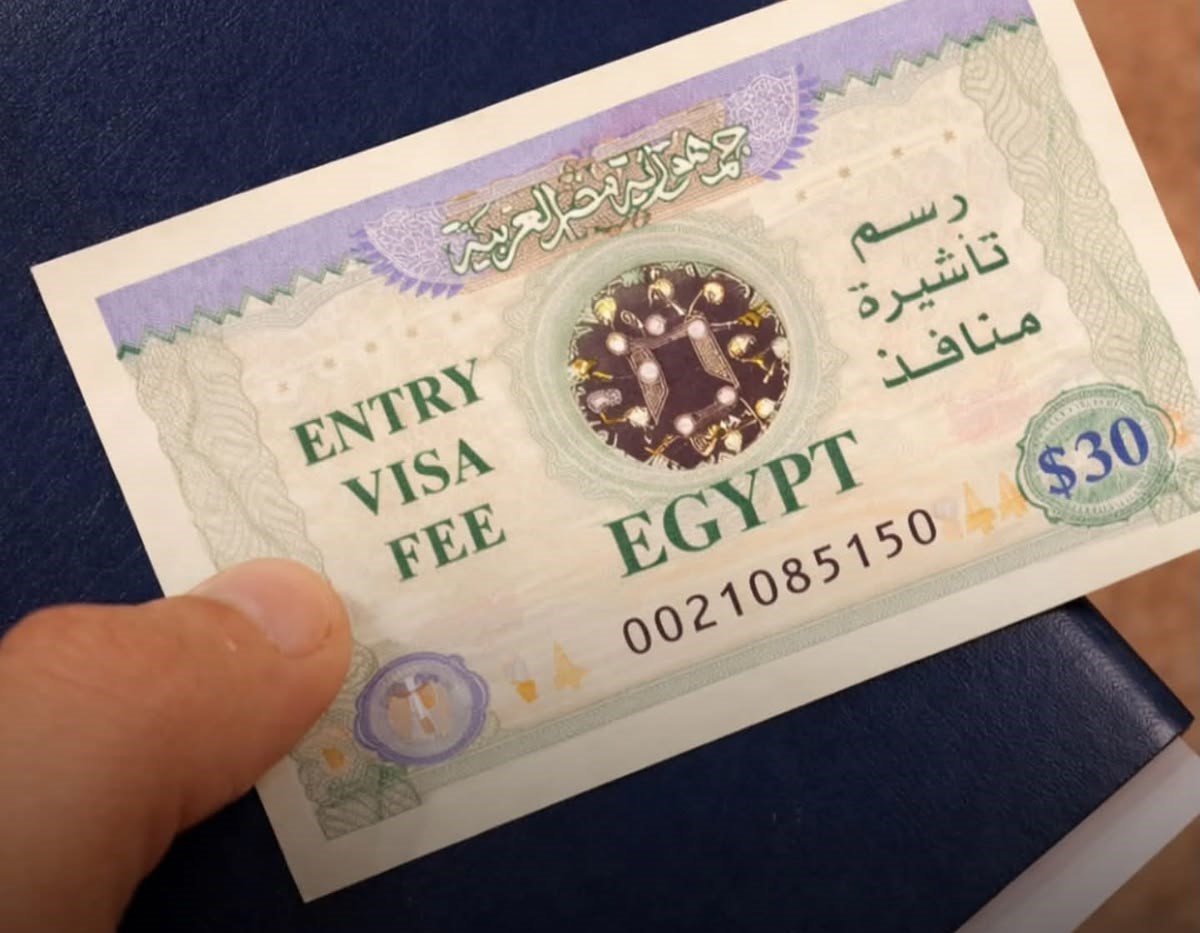
Visa on arrival vs. e-visa, costs, requirements, and how to avoid the most common mistakes American travelers make.
Getting a visa for Egypt is generally straightforward for U.S. citizens, but the process has enough small details — and enough outdated information floating around online — that it’s worth understanding clearly before you travel. This guide covers your actual options, current costs, and the practical steps to avoid delays at the airport.
Do U.S. Citizens Need a Visa for Egypt?
Yes. U.S. passport holders need a visa to enter Egypt for tourism, but the process is generally quick and can be completed either before departure or upon arrival, depending on which option you choose.
Your Two Main Options
1. E-Visa (Apply Online in Advance)
Egypt offers an official electronic visa system that allows U.S. citizens to apply online before their trip. This is generally the more predictable option since it removes any uncertainty at the airport.
- Apply through Egypt’s official e-visa portal only — third-party sites charging inflated “service fees” are common, so verify you’re using the government’s official system at the following link :-
- Processing typically takes a few business days, though it’s wise to apply at least a week or two before travel to allow buffer time
- Requires a passport valid for at least 6 months beyond your entry date, a passport-style photo, and basic travel details
2. Visa on Arrival
U.S. citizens can also obtain a visa directly at major Egyptian airports upon landing, paid in cash (typically USD) at visa kiosks before passport control.
- Available at Cairo International Airport and other major entry points
- Requires exact or close-to-exact cash payment, since currency exchange counters near the kiosks aren’t always reliable for change
- Generally fast during normal traffic, but can involve longer lines during peak arrival times
Type of visa and fees
Tourism Visa: Issued for single or multiple entries to persons whose nationalities require visas to enter Egypt.
Prices updated October 2026
| Visa type | Visa fees |
| Single entry visa (Tourism) | 30$ |
| Multiple entries visa (Tourism) | 65$ |
Which Option Should You Choose?
For most American travelers, the e-visa is the more reliable choice, since it removes any uncertainty about cash requirements, kiosk lines, or last-minute issues at immigration. It also means one less thing to manage after a long international flight.
Visa on arrival remains a perfectly valid option and is used by many travelers without issue, but it does require having the correct cash on hand and accepting some unpredictability around processing time.
Current Requirements at a Glance
- Passport validity: At least 6 months remaining beyond your planned entry date
- Blank passport pages: At least one blank page is typically required for the visa stamp
- Proof of onward travel: Not always checked, but having a return or onward flight booked is good practice
- Visa validity: Standard tourist visas typically allow a stay of up to 30 days from entry
Because visa costs and specific requirements are updated periodically, always confirm current pricing and rules through Egypt’s official e-visa portal or the nearest Egyptian embassy/consulate before finalizing travel plans.
Common Mistakes to Avoid
- Using unofficial third-party visa websites: These often charge significantly inflated fees for a service the official government portal provides directly. Always verify you’re on Egypt’s official e-visa site before entering payment information
- Not checking passport expiration: A passport with less than 6 months of validity remaining can cause denied boarding or entry issues, even if the visa itself is approved
- Assuming visa on arrival guarantees no wait: While usually efficient, arrival visa lines can lengthen significantly during high-traffic periods, particularly if multiple international flights land close together
- Not bringing exact cash for visa-on-arrival: Kiosks don’t always have reliable change on hand, so bringing close-to-exact USD amounts avoids unnecessary friction
What About Multiple Entry or Longer Stays?
Travelers planning to exit and re-enter Egypt during their trip (for example, a side trip to Jordan or another neighboring country) should specifically look into multiple-entry visa options rather than the standard single-entry tourist visa, as re-entry with a single-entry visa can create complications. Similarly, stays longer than the standard visa period require looking into extension procedures through Egyptian immigration authorities rather than assuming an automatic extension.
FAQs
Can U.S. citizens get a visa on arrival in Egypt?
Yes, visa on arrival is available for U.S. citizens at major airports including Cairo International Airport, paid in cash at kiosks before passport control.
Is the e-visa or visa on arrival better for U.S. travelers?
The e-visa is generally considered more reliable since it’s arranged before travel and removes uncertainty around cash payments and kiosk wait times, though both options are commonly used without issue.
How long is an Egyptian tourist visa valid for?
Standard tourist visas typically allow a stay of up to 30 days from the date of entry, though current rules should be confirmed through official sources before travel.
Do I need a visa if I’m just transiting through Cairo airport?
Requirements can vary based on layover length and whether you leave the airport, so it’s worth checking current transit visa rules specifically if you have a connecting flight through Egypt.
What happens if my passport has less than 6 months of validity left?
This can result in denied boarding by your airline or entry issues upon arrival, even with an approved visa. Renewing your passport well before travel is strongly recommended if it’s approaching expiration.